

Walking deeper into the River Irwell, Elizabeth Roberts said she “just wanted to disappear from life.” Years on from “hitting rock bottom” the 65-year-old says “talking more than tablets” has been “absolutely vital” in her recovery.
With one in five adults in England living with mental health* and research revealing nearly two thirds of people (64%) adopt a brave face to avoid talking about their mental health,** the team of 10 social prescribers working with Bury’s GP practices say “making time to talk is essential to peoples’ health and wellbeing.”
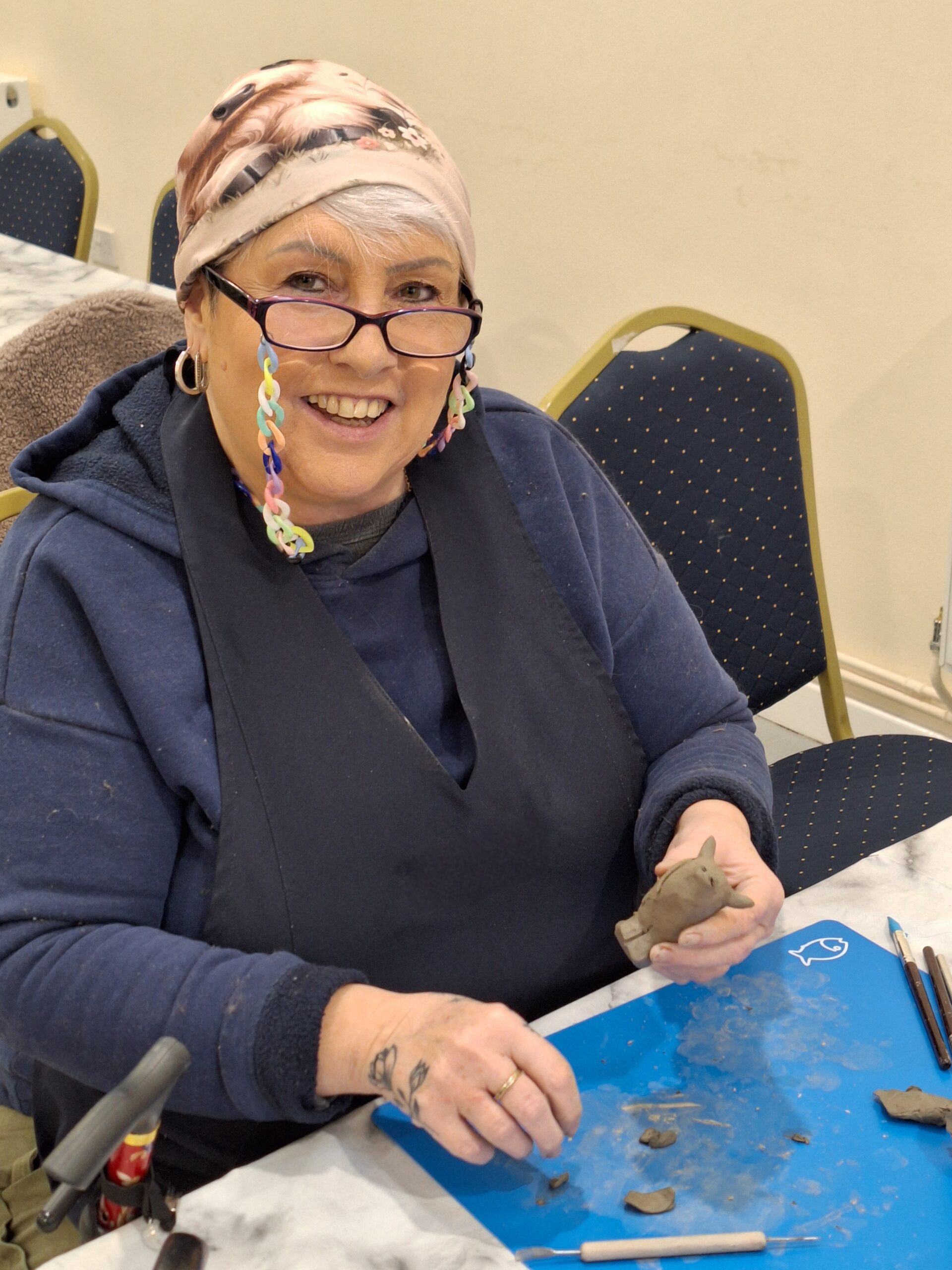 Whitefield’s Allison Dunne agrees. She said: “I have gone from an active, high-profile role working across the UK to being in permanent pain, unable to walk unaided and living with debilitating health conditions. Social prescribing drop-ins and community events have given me a purpose: a reason to leave the house, a chance to talk to people and feel part of the world.”
Social prescriber, Julie Marshall, works with GP practices across Prestwich and Whitefield. As the NHS launches a major mental health campaign around talking therapies***, Julie said: “Creating opportunities where people are comfortable to chat about their mental health can have life-changing results. Talking can often be a more powerful prescription than tablets.”
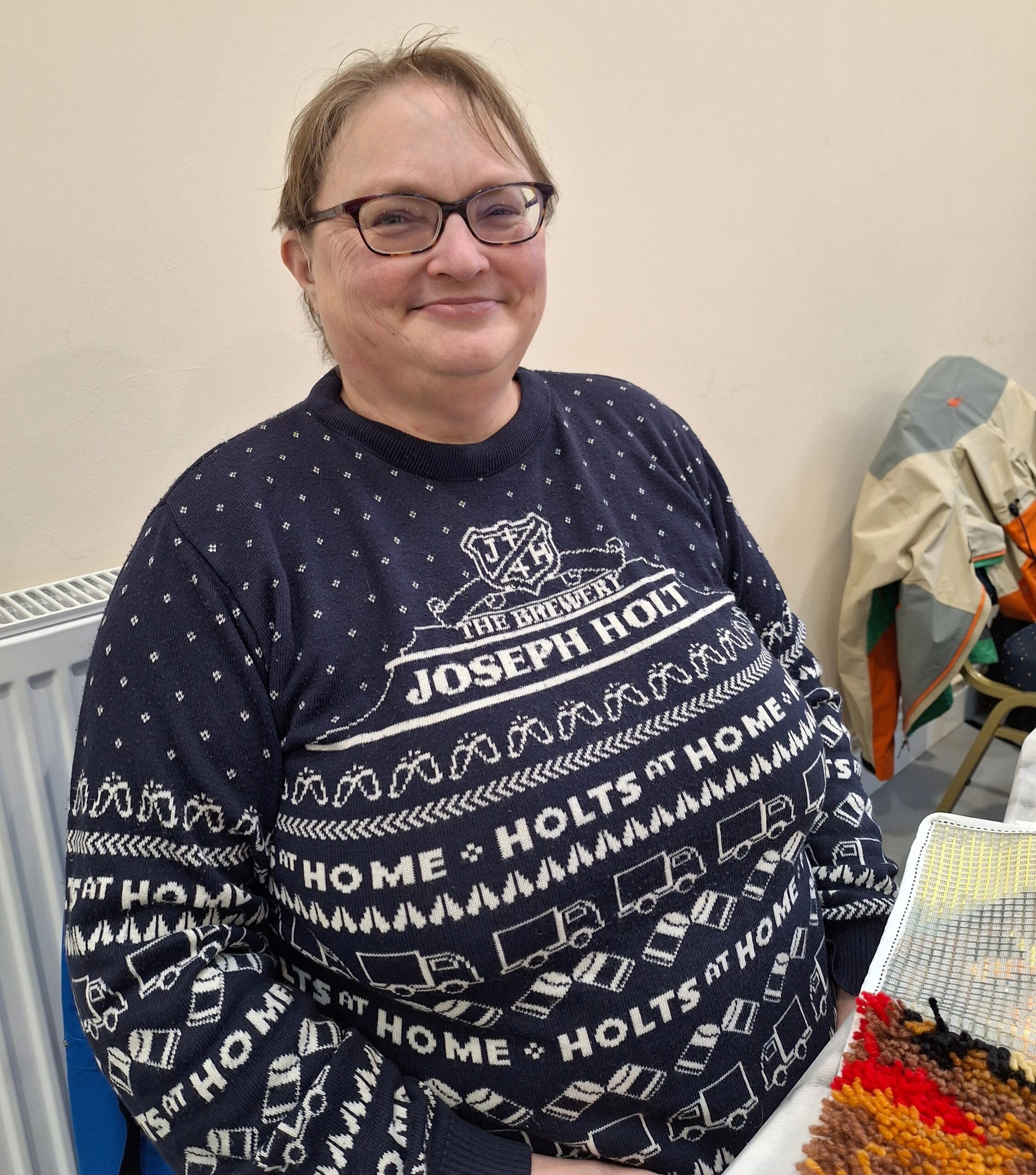 Prestwich patients, Elizabeth Roberts and Allison Dunne, plus Eulah Varley, agree that ‘social prescriptions’ have been “absolutely vital” in supporting their mental and physical health. After a sudden blackout caused a car crash, Eulah was diagnosed with NEAD (Non-Epileptic Attack Disorder) and experienced up to 30 blackouts each day. She explained: “Talking therapy really helped to reduce multiple stress-related anxiety attacks and having a ‘social prescription’ including social drop-ins, crafting, walking and talking groups has further boosted my mental and physical health.”
Allison, from Whitefield, adds that coming to terms with her disability has been “really tough.” She says: “Becoming immobile limited my chance to engage with the world. I felt invisible. Social prescribing events, community groups and crafts has enabled me to meet new people, share stories and feel supported. It’s given me a new lease of life.”
Social prescribers connect people to activities, groups and services within their community to help address practical, social, and emotional needs that impact health and wellbeing. The team supports individuals with issues such as loneliness and isolation, housing, finance, bereavement, mental health, and lifestyle challenges to enable people to take greater control of their own health. Patients can self-refer or can be referred by health professionals at their GP practice.
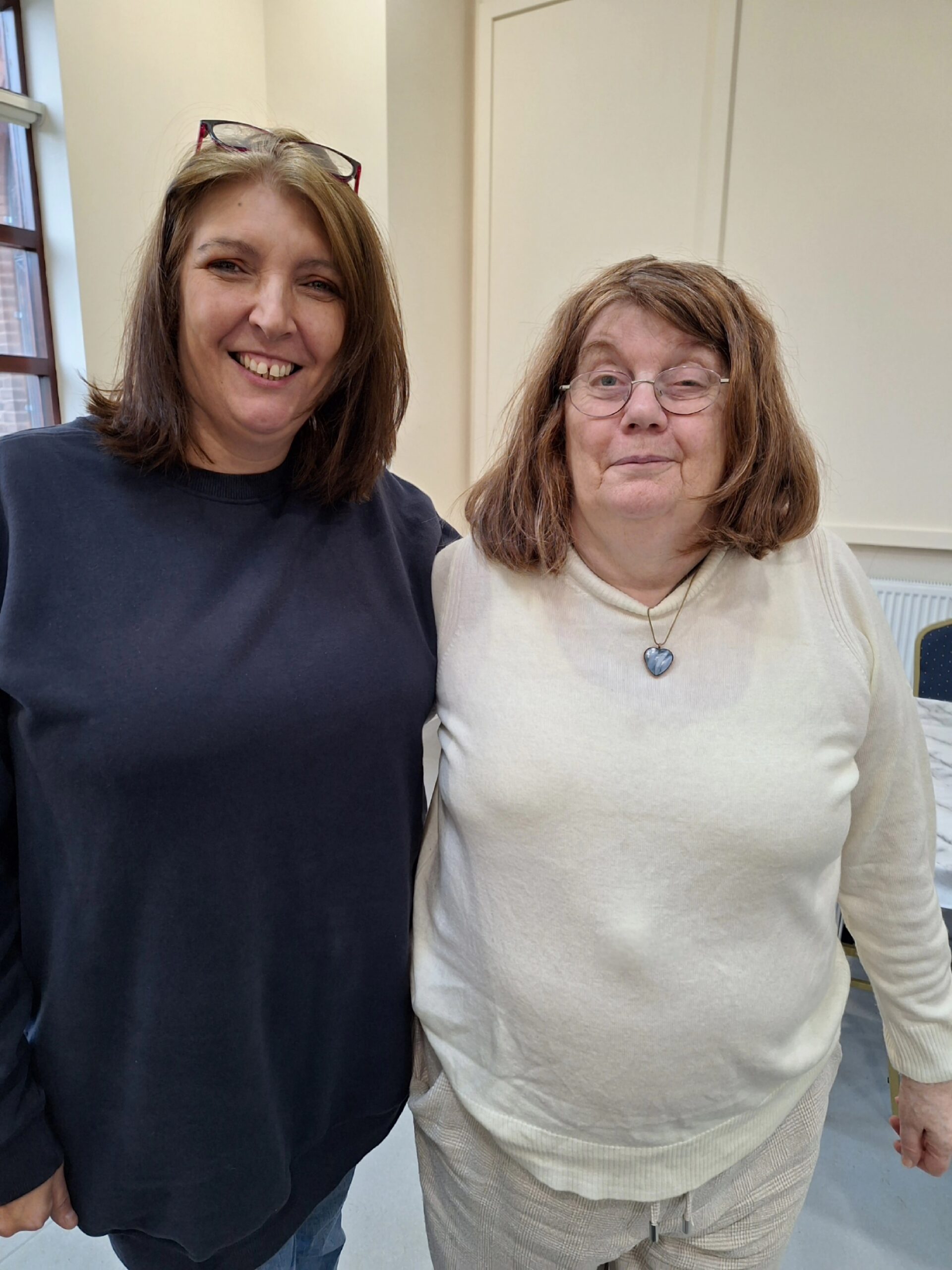 Elizabeth Roberts said her husband is “simply happy I’m still here” after a “horrendous few years.” She explained: “I struggled with stress which prompted panic attacks, insomnia, depression, anxiety and I was on a lot of medication. When I walked into the River Irwell I felt I wasn’t really there. It was only the thought of my family that saved me.
“Talking therapies and social prescribing has made a difference. Having gone from an active life and civil service career to struggling with my mental and physical health, I also became agoraphobic. Social prescribing has been a revelation. Julie visited me and later took me for walks. We would just talk and put in place a plan to improve my health and wellbeing. It’s taken time, but now I am able to attend social drop-in events and walk round the supermarket. This may not seem much, but, for me, it’s an enormous step in the right direction and feels like the world is reopening.”
*Big Mental Health Report 2025 https://www.mind.org.uk/media/zianu2rn/mind_the-big-mental-health-report_digital4.pdf
**Time to Talk 2024 https://www.mind.org.uk/news-campaigns/news/uk-hiding-behind-a-brave-face-to-avoid-speaking-about-mental-health/
*** NHS campaign re.talking therapies https://www.england.nhs.uk/2026/02/nhs-talking-therapies-completely-changed-my-life-nhs-launches-major-campaign-to-support-millions-more-people-with-anxiety/
Patients can self-refer or can be referred by health professionals at their GP practice. Contact the team directly: gmicb-bu.socialprescribing@nhs.net